3 OCT
Vision Stage
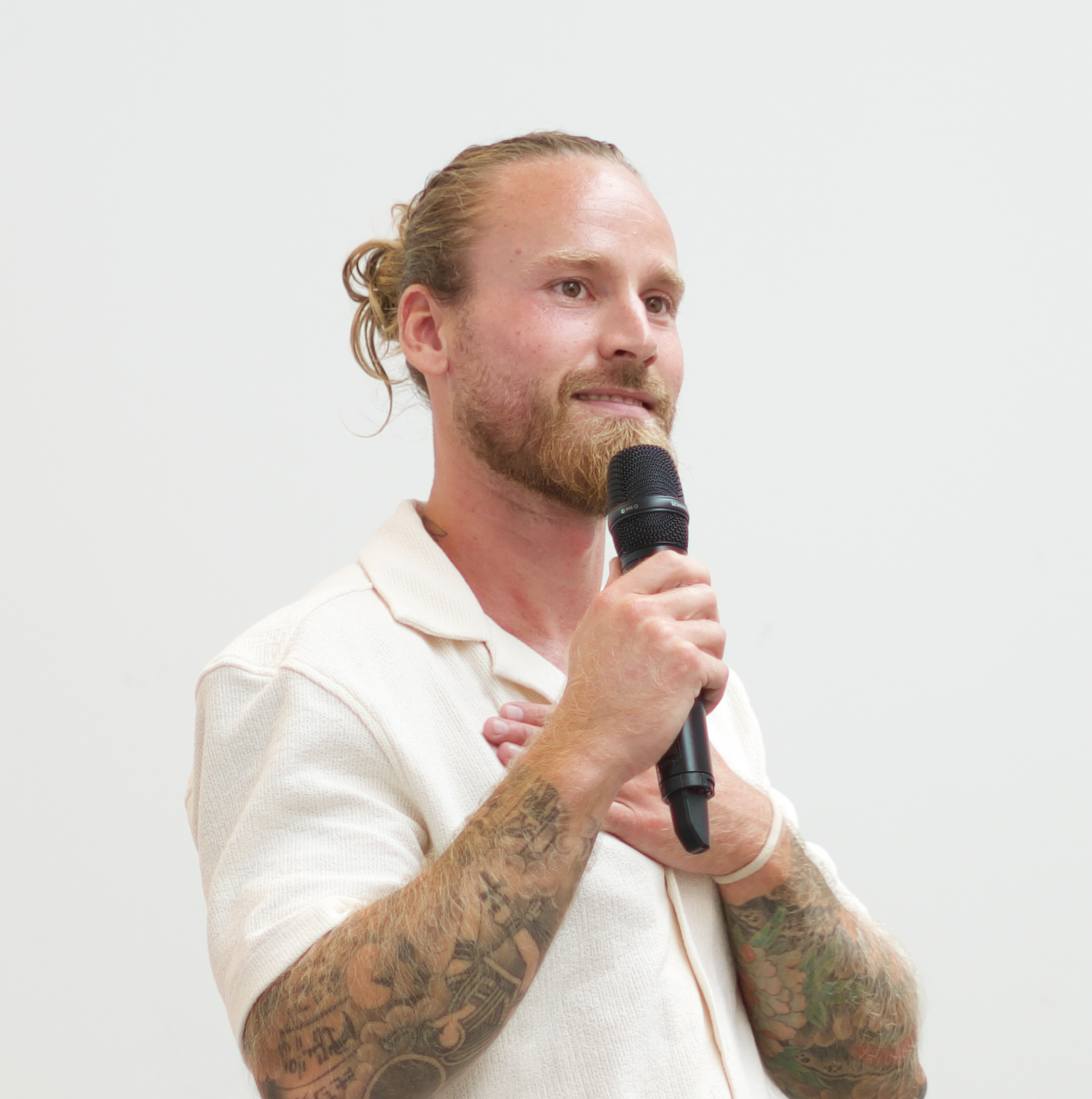
Mads Tömörkènyi
Human researcher
Movement specialist and researcher exploring the human body, with a focus on fascia, biomechanics, and human circadian biology. Bestselling author, podcast host, and endlessly curious human. Working with high-performing athletes and individuals worldwide. Founder of MT Performance and LUMÉ — the world’s first circadian-based health club.
ABOUT THE SESSION
The joy of movement: moving for life
3 OCT · Vision Stage · 11:25
We all know movement is good for us. But somewhere along the way, exercise has become something we measure, optimize and often feel we should do — rather than something our bodies are designed to enjoy.
This conversation takes a different look at movement. Why do our bodies need different ways of moving — from strength and cardiovascular fitness to mobility, balance, play and everyday movement? How do those needs change throughout life? And why does enjoyment matter more than we might think?
We’ll explore movement not simply as exercise, but as one of the foundations of a healthy, capable and resilient body. And perhaps most importantly, how we can move away from chasing the “perfect” workout and instead build a relationship with movement that feels good, creates variety and lasts for life.
ABOUT THE SESSION
Beyond the Gym: What Does Your Body Actually Need?
4 OCT · Vision Stage · 16:25
What kind of training does the human body actually need? In this panel discussion, physical trainer and MT Performance founder Mads Tömörkényi meets Mads Tærsbøl, exercise physiologist, former international elite runner and founder of Peak4ever. Guided by host Emil Thorup, they will examine different approaches to training and physical performance.
The panel will ask where conventional gym training works, where it may fall short and why the answer depends on the individual. Is everyday movement more important than organised exercise? Do machines restrict how we move, or offer a safe and measurable way to build capacity? How should training adapt to our bodies, lifestyles and goals? The purpose is not to identify one perfect method, but to explore what works, for whom and why.